
World Generation Curriculum Access
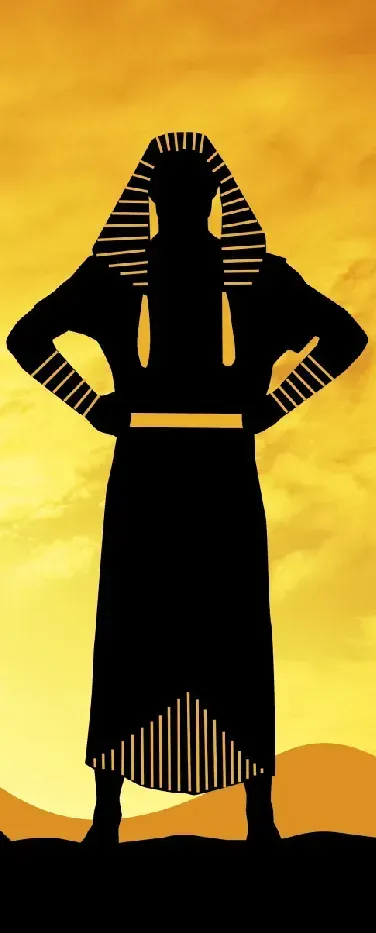
The Egyptian Pharaohs: Wise Investors or Wasteful Spenders?
In this unit, students will explore ancient Egypt by learning about the Egyptian social structure and why and how the pyramids were built.
Throughout the unit students will engage in collaborative discussions within teacher-arranged heterogeneous groups and within various grouping structures. A set of social studies disciplinary literacy practices will be targeted (e.g. supporting claims with evidence). Students will engage with new academic vocabulary, read informational text, identify different perspectives, and produce evidence-based arguments and counterarguments in a debate and an essay. All unit activities relate and build to answer the central question of the unit: Were the Egyptian Pharaohs wise investors or wasteful spenders?
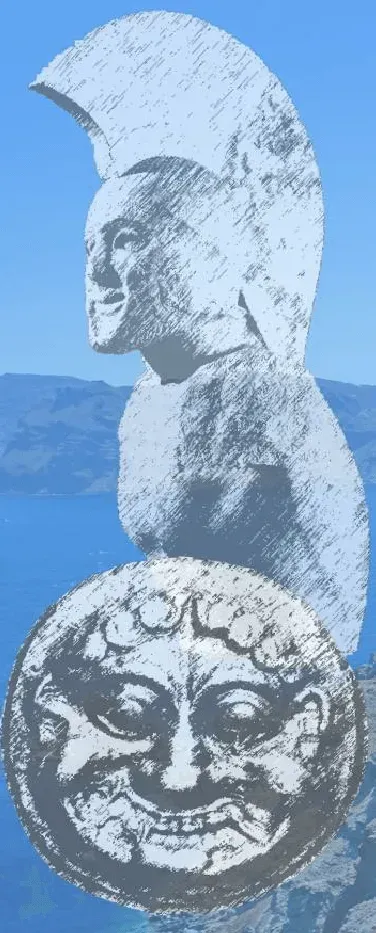
Ancient Greek City-states:
Was is Better to be an Athenian or a Spartan?
In this unit, students will explore ancient Greece, the birthplace of democracy. Students will learn about how Greek city-states functioned, and then focus in on Athens and Sparta.
Throughout the unit students will engage in collaborative discussions within teacher-arranged heterogeneous groups and within various grouping structures. A set of social studies disciplinary literacy practices will be targeted. Students will engage with new academic vocabulary, read informational text, identify different perspectives, and produce evidence-based arguments and counterarguments in a debate and an essay. All unit activities relate and build to answer the central question of the unit: Was it better to be an Athenian or a Spartan?
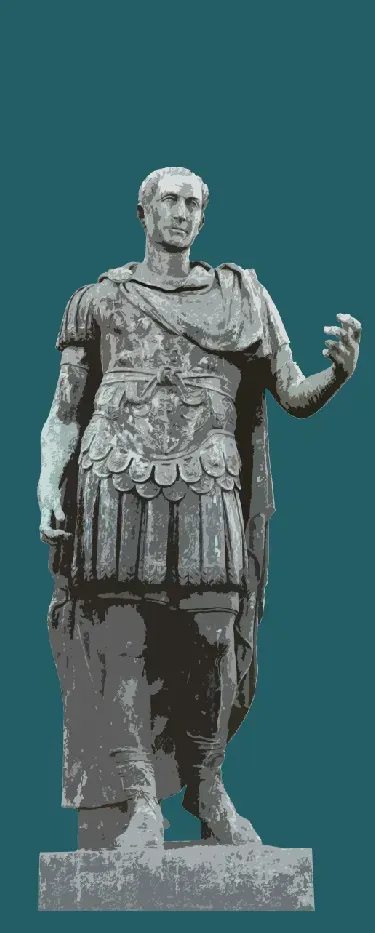
Ancient Roman Government:
Whose Voice Counts?
In this unit, students will study different types of governments in ancient Rome by learning about how decisions were made and who had rights. Some people in Rome had more authority, or power, and made almost all of the laws for the Empire.
Throughout the unit students will engage in collaborative discussions within teacher-arranged heterogeneous groups and within various grouping structures. Students will engage with new academic vocabulary, read informational text, identify different perspectives, and produce evidence-based arguments and counterarguments in a debate and an essay. All unit activities relate and build to answer the central question of the unit: Whose voice counts?
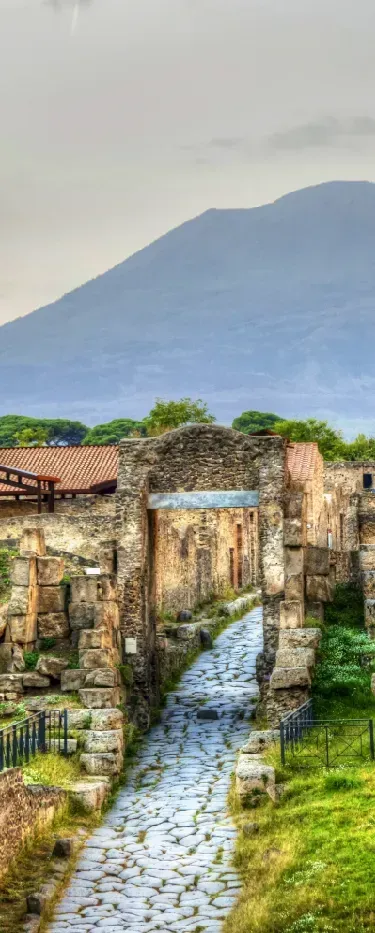
Pompeii:
Irresponsible Decision or an Unexpected Disaster?
In this unit, students will explore the ancient Roman city of Pompeii that was buried by burning ash after a volcanic explosion in 79 CE.
Throughout the unit students will engage in collaborative discussions within teacher-arranged heterogeneous groups. A set of social studies disciplinary literacy practices will be targeted. Students will engage with new academic vocabulary, read informational text, identify different perspectives, and produce evidence-based arguments and counterarguments in a debate and an essay. Students will debate the question: Was living near Mt. Vesuvius an irresponsible decision or were the people of Pompeii victims of an unexpected disaster?
The unit will culminate with students writing a persuasive essay to answer the question: Are people irresponsible for living in dangerous places?