Student/Content Connections
Student/Content Connections in Curriculum
See how the CSEL Team applied this Research-based Practice into the World Generation Curriculum:
Learning is enhanced when teachers provide explicit opportunities for students to make connections with what they are learning. Making connections between new concepts and students’ prior knowledge and lived experiences benefits all students but is especially important for ELs as they navigate the language of social studies, complex text and rigorous content.
Student Pages
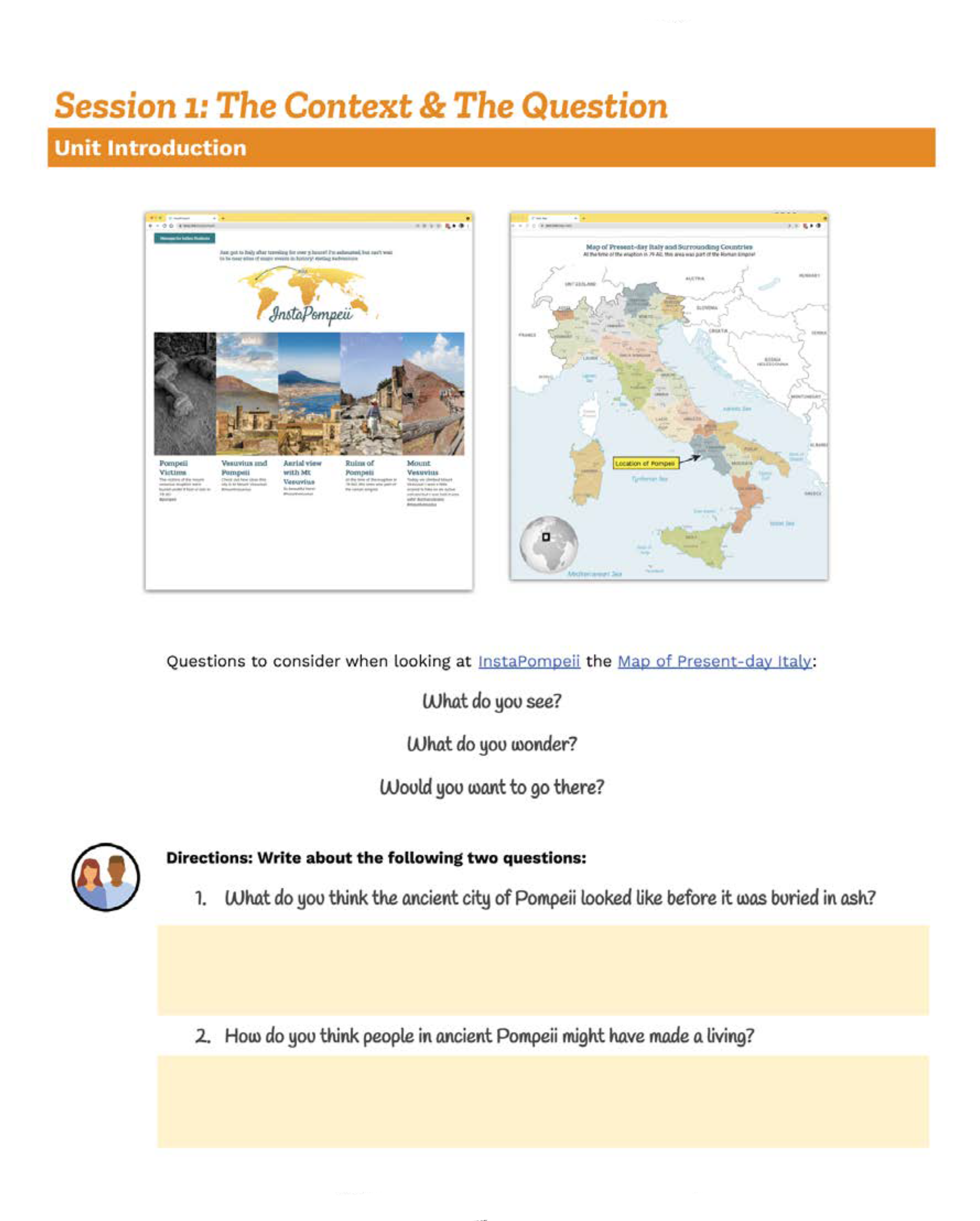
Activating Prior Knowledge
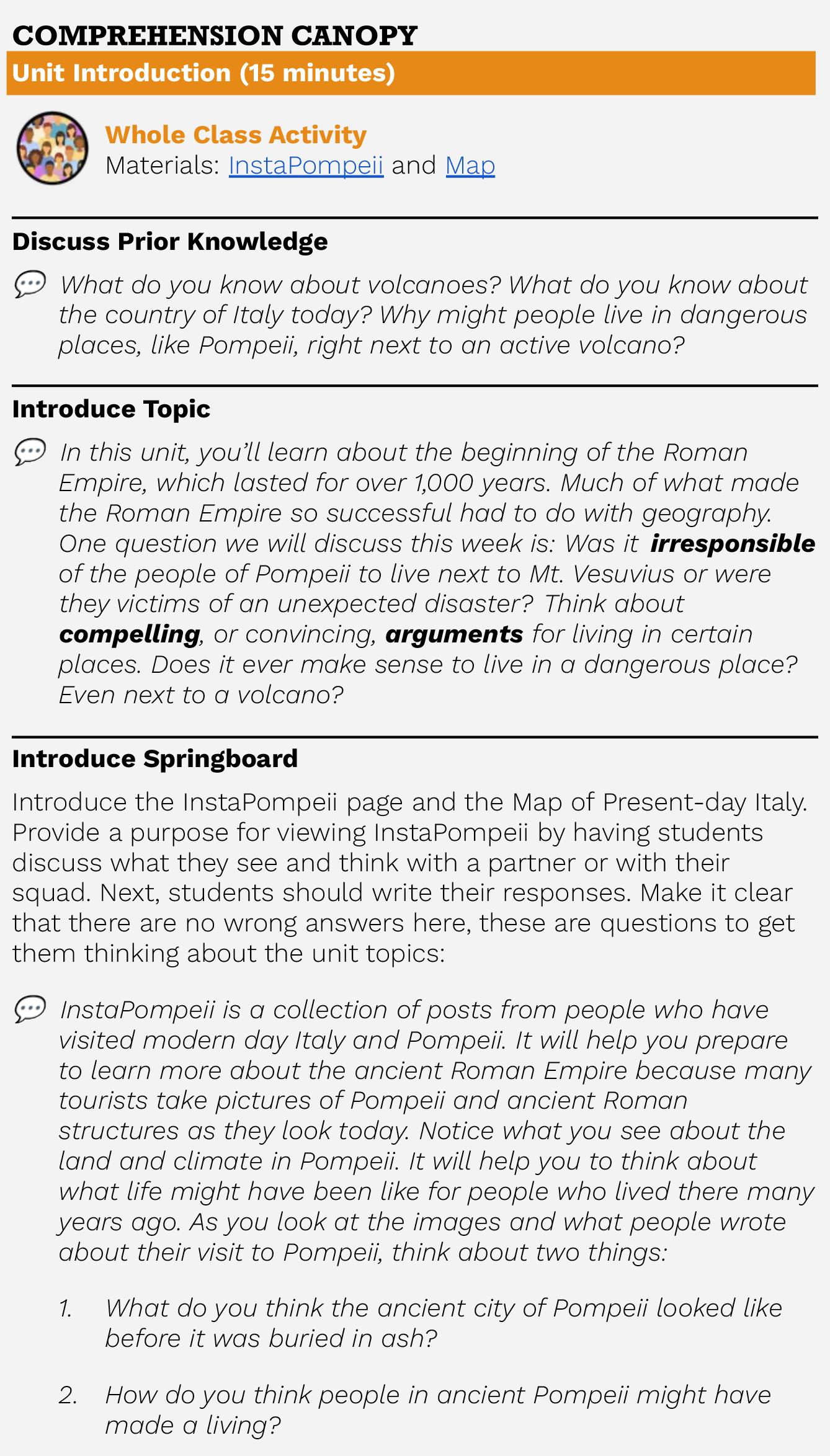
In this example from the introduction of a unit on ancient Pompeii, the teacher activates students’ background knowledge, pre-teaches key vocabulary words, and guides students through a visual display of ancient modern-day Pompeii. Students discuss and write their thoughts about two questions designed to elicit personal connections.
Student Pages
Relatable Readers Theater Characters
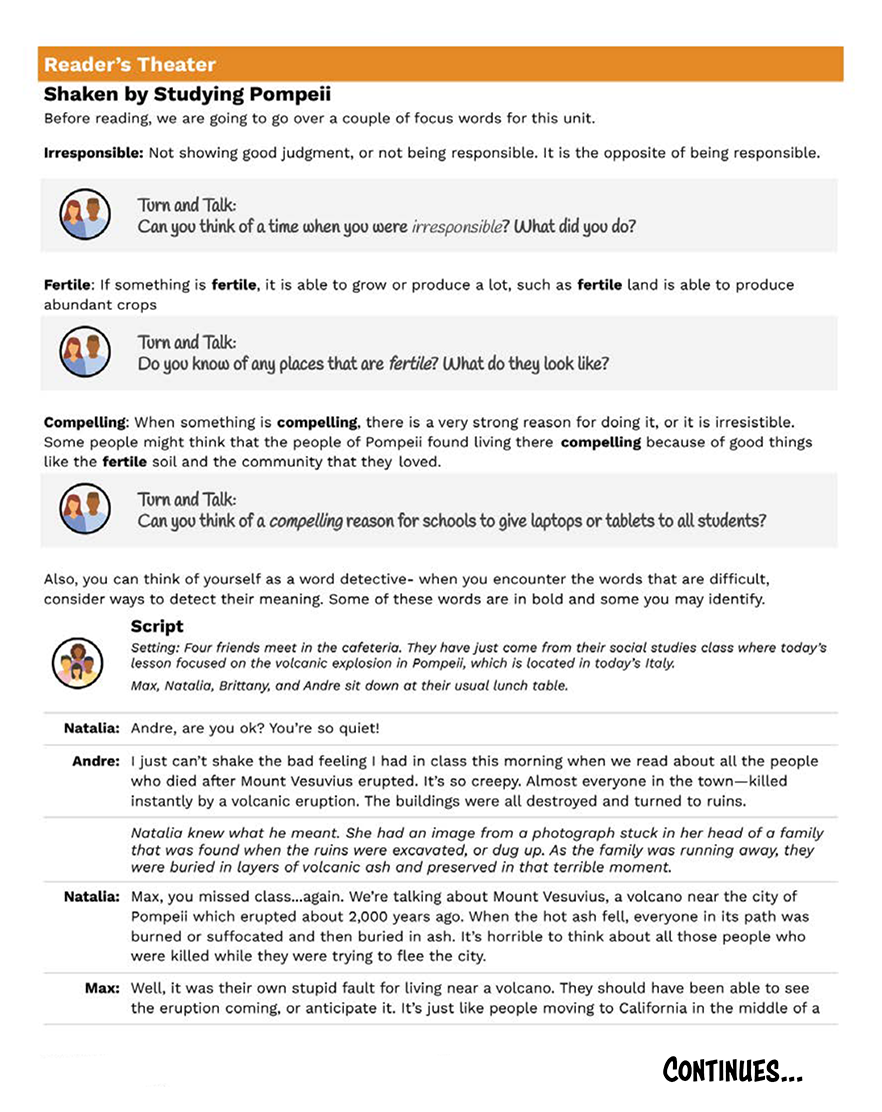
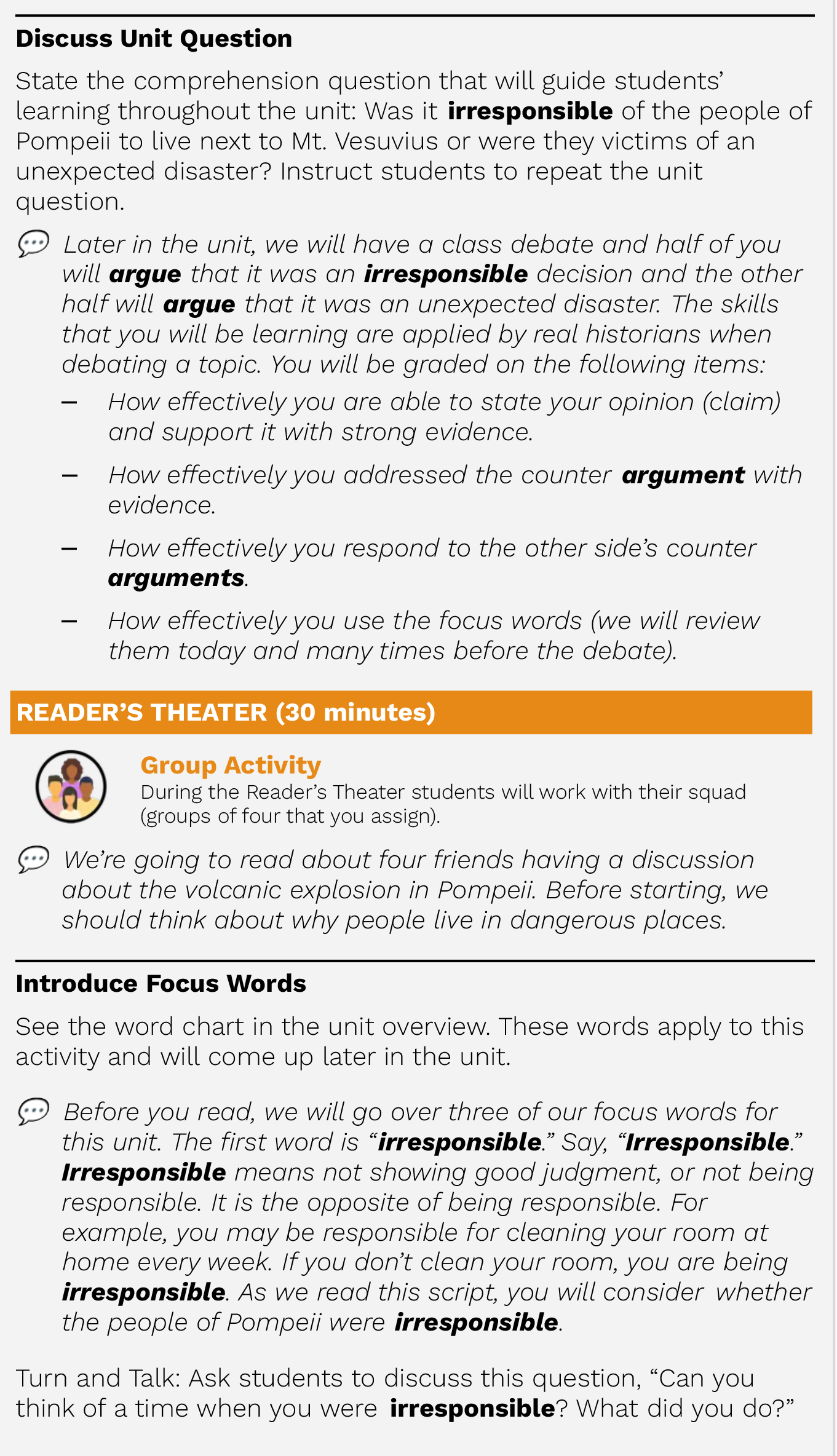
In this example, the teacher prepares students for the unit’s guiding question that asks, “Was it irresponsible of the people of Pompeii to live next to Mt. Vesuvius or were they victims of an unexpected disaster?” Students read a reader’s theater script about modern day students discussing this topic after a social studies class in which they read about the eruption of Mt. Vesuvius. Students discuss and write about their own perspectives on the debate in the reader’s theater.
Student Pages
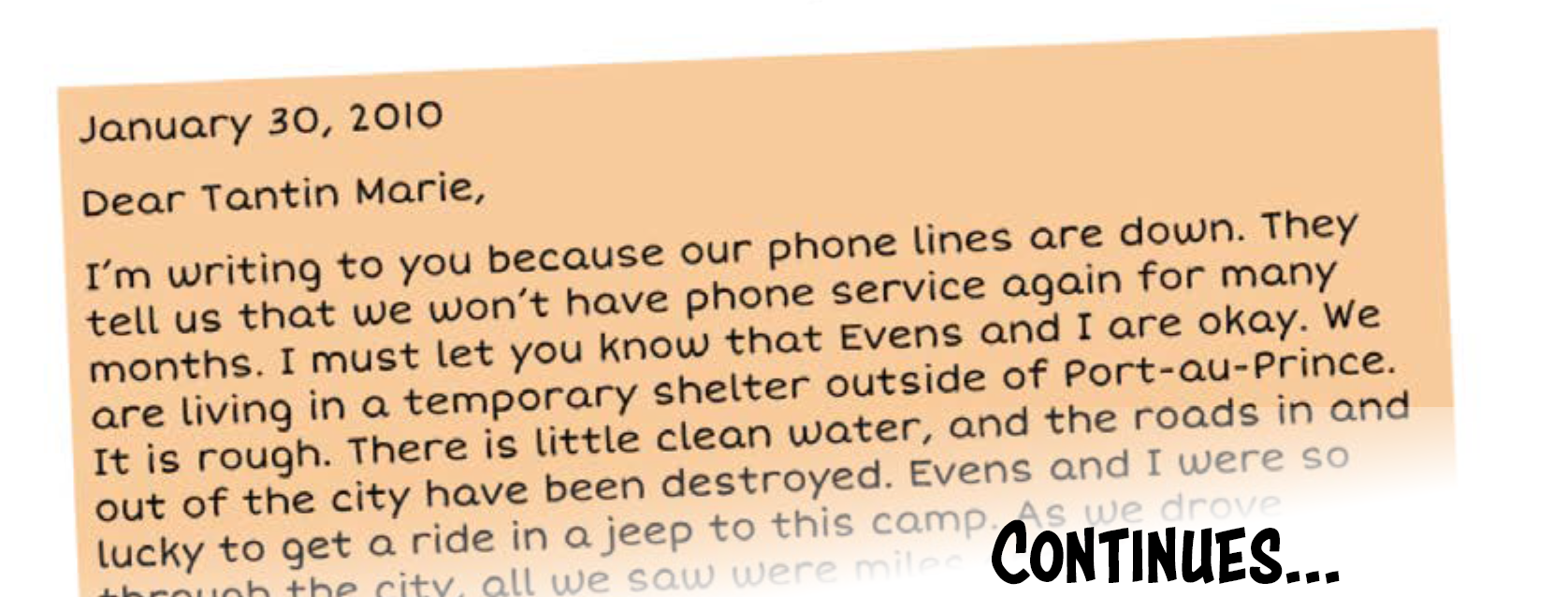
Comparison to Modern-day Disasters
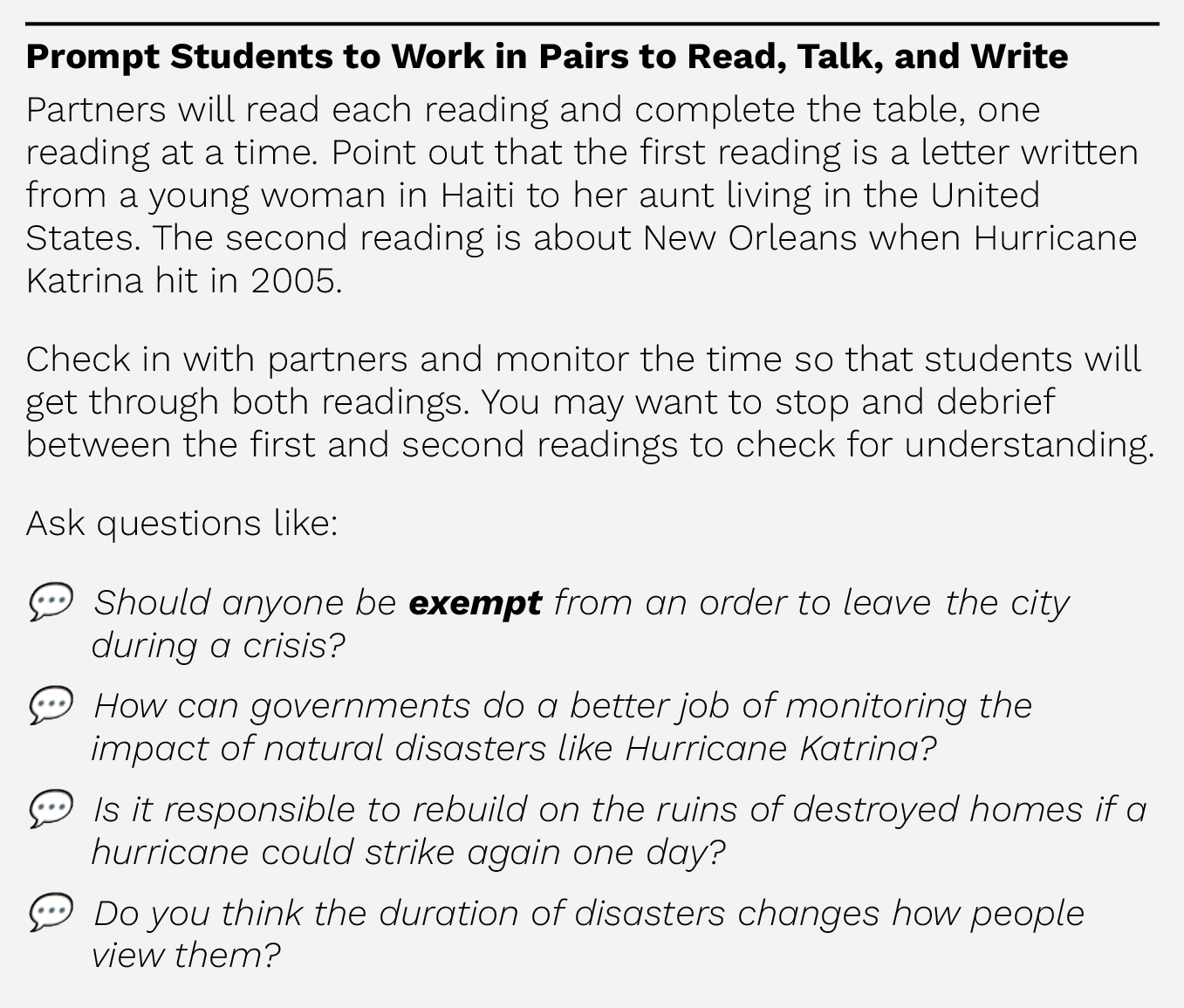
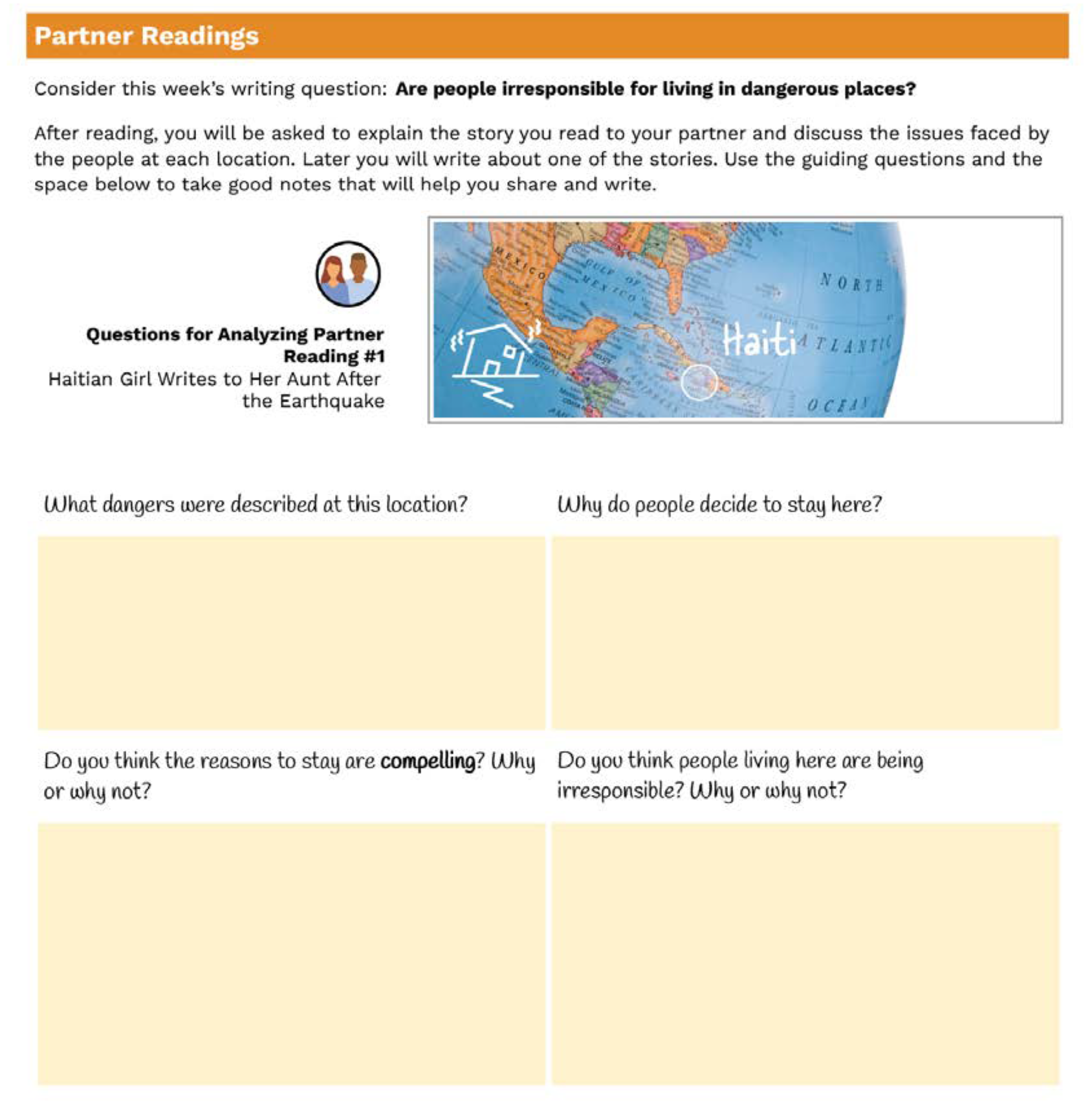
In this example, later in the Pompeii unit, students read about two modern day disasters and make connections between the eruption of Mt. Vesuvius in Pompeii many years ago and current events. Students are prompted to discuss how living in areas prone to disaster impact people.